Introduction
Running a growing business becomes difficult when your sales, inventory, accounts, HR, and customer data are managed in different tools. Teams waste time switching between systems, reports become confusing, and business decisions slow down. This is where an Open Source ERP can make a big difference.
An open source ERP system helps businesses manage daily operations from one place while giving more flexibility than many traditional ERP platforms. It is popular among startups, SMEs, manufacturers, distributors, retailers, and service-based companies because it can be customized according to business needs.
But open source ERP software is not just about saving money. It also needs the right planning, the right implementation partner, and proper long-term support. In this blog, we will explain the benefits, risks, best open source ERP platforms in 2026, and what businesses should expect before starting ERP implementation.
What is an Open Source ERP?
An Open Source ERP is business management software where the source code is available for customization. In simple words, it means the ERP can be changed, improved, and adjusted based on how your business actually works.
A traditional ERP may limit you to fixed features or costly upgrades. But with an open source ERP system, you get more control over modules, workflows, reports, integrations, and user access.
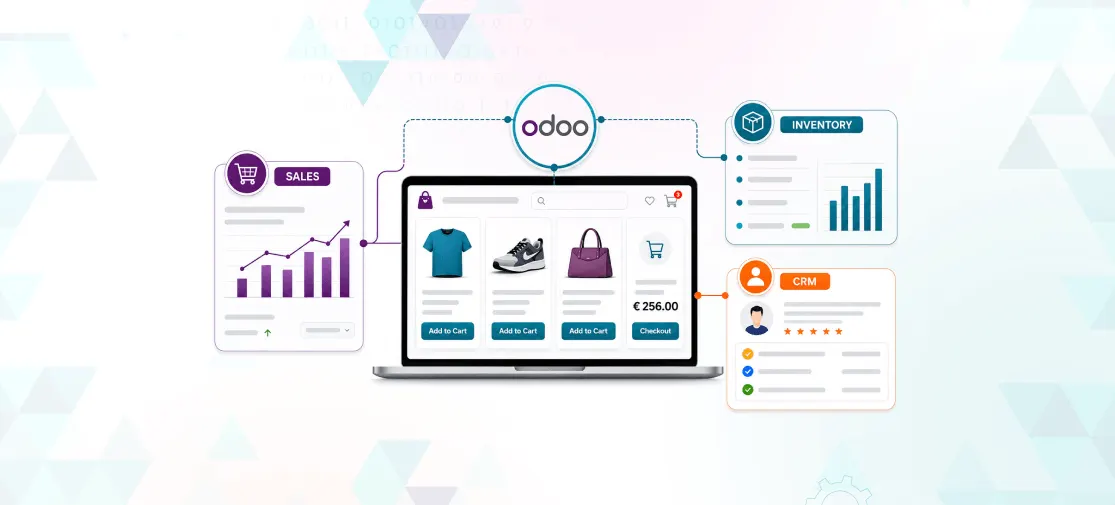
Businesses use open source ERP software to manage sales, purchases, inventory, accounting, CRM, manufacturing, HR, projects, and more. Popular platforms like Odoo and ERPNext are widely used because they offer flexibility, scalability, and strong community support.
Benefits of Open Source ERP
1. Lower Software Licensing Costs
One of the biggest benefits of open source ERP is reduced licensing cost. Many open source ERP platforms do not require heavy per-user license fees like traditional ERP software.
This helps small and growing businesses save money in the early stage. Instead of spending a large budget on software licenses, they can invest in implementation, customization, training, and support.
However, businesses should remember that “open source” does not always mean completely free. You may still need to pay for hosting, development, migration, maintenance, and expert support.
2. High Customization Flexibility
Every business has its own way of working. Open source ERP software gives companies the freedom to customize workflows, modules, dashboards, reports, and user roles. For example, a manufacturing company may need custom production planning, while a retail business may need advanced POS and inventory features.
Open source ERP makes these changes easier with the help of experienced ERP developers. This flexibility is one reason many companies choose Odoo customization services. Odoo allows businesses to start with standard modules and later customize them according to industry needs.
3. Scalability for Growing Businesses
As your business grows, your software should grow with you. An open source ERP system allows you to add more users, departments, branches, and modules when needed. You can start with basic Odoo modules like sales, inventory, and accounting.
Later, you can add CRM, manufacturing, HR, eCommerce, purchase, helpdesk, and advanced reporting. This makes open source ERP a good choice for businesses that do not want to change software every few years. With proper planning, the same ERP can support your business for a long time.
4. Better Integration Capabilities
Modern businesses use many tools such as websites, payment gateways, CRM systems, accounting apps, shipping platforms, and marketplaces. Open source ERP can connect these tools into one smooth system. With professional ERP integration services, businesses can connect ERP with eCommerce stores, mobile apps, third-party APIs, barcode systems, payment gateways, and reporting tools.
This reduces duplicate work and manual errors. Your teams get real-time data, faster updates, and better visibility across departments.
Ready to simplify your business operations with open source ERP?
Talk to Techvoot today and get expert ERP consultation for your business.
Risks and Challenges of Open Source ERP
1. Complex Implementation Process
Open source ERP implementation is not a simple software installation. It includes requirement analysis, module setup, workflow planning, data migration, testing, training, and final deployment.
Without a clear plan, the project can become delayed or confusing. Employees may also struggle if the system is not explained properly. That is why businesses should work with experienced ERP consulting services. A good ERP partner understands your business process first and then suggests the right implementation roadmap.
2. Customization Can Increase Complexity
Customization is useful, but too much customization can create problems. If every small process is heavily changed, the ERP may become difficult to maintain and upgrade. Over-customization can also increase development cost and project timeline. It may create dependency on developers for even small changes.
The best approach is to use standard ERP features wherever possible and customize only where it adds real business value. This keeps the ERP simple, stable, and easier to manage.
3. Security and Compliance Concerns
Because open source ERP gives more control, businesses must also take responsibility for security. Regular updates, backups, user access control, and server protection are very important. If security is ignored, sensitive business data such as customer details, financial records, employee data, and inventory information can be at risk.
A trusted ERP partner can help set up proper roles, permissions, security updates, hosting, and compliance-friendly workflows. This is especially important for businesses in healthcare, finance, manufacturing, and e-commerce.
4. Dependence on Technical Expertise
Open source ERP software often needs technical knowledge for setup, customization, integration, migration, and maintenance. If your team does not have ERP experience, you may need external support.
This is not a negative point, but it is something businesses should plan for. ERP is a long-term business system, not a one-time tool. Working with an expert partner for Odoo implementation services, ERP support, and customization can reduce mistakes and improve project success.
5. Hidden Long-Term Costs
Open source ERP can reduce software licensing costs, but hidden costs may appear if planning is poor. These costs may include hosting, custom development, support, upgrades, employee training, and third-party integrations.
Businesses should calculate the total cost of ownership before starting the project. Choosing ERP only based on low upfront cost can create larger operational and maintenance challenges later. A professional Odoo ERP consultant can help estimate the real cost based on your modules, users, customization needs, data migration, and future growth plans.
What Businesses Should Expect Before Implementing Open Source ERP
1. Internal Process Evaluation
Before choosing the best open source ERP, businesses should first study their internal process. This includes sales flow, purchase approval, inventory movement, accounting process, customer management, and reporting needs.
Many ERP problems happen because businesses try to copy old manual processes into new software. Instead, ERP implementation is a good time to improve outdated workflows. A proper process evaluation helps you choose the right modules, reduce unnecessary customization, and build a system that supports real business goals.
2. Data Migration Planning
ERP migration is one of the most important steps in the project. Businesses must move customer data, vendor details, product lists, invoices, stock records, accounting data, and employee information carefully. Poor data migration can lead to duplicate records, missing information, wrong reports, and business disruption. That is why ERP migration services are important for smooth implementation.
Before migration, businesses should clean old data, remove duplicates, check formats, and decide what historical data should be moved to the new ERP.
3. Optimization
ERP implementation does not end after go-live. Once employees begin using the system daily, businesses often identify reporting gaps, workflow delays, approval issues, or areas where automation can be improved.
Open Source ERP Platforms and Implementation Partners in 2026
1. Techvoot
Implementing ERP successfully requires more than technical setup. Businesses need a partner who understands operations, workflows, scalability, and long-term system planning.
Techvoot helps companies implement and customize ERP systems based on actual business requirements instead of forcing standard workflows. From Odoo implementation and module customization to integrations, migration, and ongoing support, the focus remains on building practical ERP solutions that improve visibility, reduce manual work, and support business growth.
2. Odoo
Odoo is one of the most popular open source ERP software platforms for growing businesses. It offers modules for sales, CRM, accounting, inventory, manufacturing, HR, eCommerce, purchase, POS, and more. Many companies choose Odoo because it is modular, user-friendly, and highly customizable. Businesses can start small and add more apps as they grow.
With the right Odoo implementation services and Odoo customization services, Odoo can become a powerful business management system for many industries.
3. ERPNext
ERPNext is another well-known open source ERP system. It is commonly used by small and medium businesses for accounting, inventory, sales, purchase, HR, projects, and manufacturing. It offers a clean interface and useful standard features. ERPNext can be a good option for businesses looking for a simple and cost-effective ERP platform.
However, the best choice depends on your business size, industry, workflow, reporting needs, and customization requirements.
Why Many Businesses Choose Odoo ERP
1. Modular and Scalable Architecture
Odoo works like building blocks. You can start with only the modules you need and add more later. This makes it suitable for businesses that want to begin with sales, CRM, or inventory and expand into accounting, manufacturing, HR, or e-commerce later. Its modular structure helps control costs and avoid unnecessary complexity in the beginning.
2. Easy Third-Party Integrations
Odoo can integrate with many third-party tools such as payment gateways, websites, shipping systems, marketplaces, and business apps. With expert ERP integration services, businesses can connect Odoo with their existing tools and reduce manual data entry. This helps teams work faster, avoid repeated tasks, and get accurate information in one place.
3. Industry-Specific Customization
Every industry has different needs. A distributor may need batch tracking, while a manufacturer may require production planning, work orders, shop floor management, and inventory control. Odoo can be customized for different industries with custom modules, workflows, reports, and dashboards.
Businesses in manufacturing sectors often use specialized Odoo manufacturing modules to manage production operations more efficiently. This is why many companies prefer Odoo when they want flexibility without building ERP software from scratch.
How the Right ERP Partner Helps Reduce Risks
1. ERP Consultation and Planning
A good ERP partner starts by understanding your business, not by directly installing software. They study your process, pain points, goals, and future growth plans.
This helps create a clear ERP roadmap with the right modules, timeline, cost estimate, and implementation steps. Proper consultation reduces confusion and gives your team confidence before the project begins.
2. Custom Module Development
Sometimes standard ERP features are not enough. Your business may need custom approval flows, dashboards, reports, automation, or industry-specific features.
An experienced ERP partner can develop custom modules without making the system too complex. This helps your ERP match your business process while staying stable and upgrade-friendly.
3. ERP Integration Services
Your ERP should not work alone. It should connect with your website, CRM, accounting tools, payment gateways, shipping partners, and other business systems. The right partner provides smooth ERP integration services so data moves automatically between platforms. This saves time, reduces errors, and gives your team better control over daily operations.
4. Migration and Upgrade Support
ERP migration and upgrades can be risky if not handled properly. Data must be moved safely, custom modules must be checked, and users must be trained. A reliable partner helps with backup, testing, migration, validation, and post-migration support.
This makes the shift to a new ERP smoother and reduces business downtime.
5. Ongoing ERP Maintenance
ERP needs regular maintenance after implementation. This includes bug fixes, updates, security checks, performance improvements, and user support. Ongoing support keeps your ERP running smoothly and helps your business adapt to new needs. With the right ERP maintenance partner, your system remains reliable, secure, and ready for growth.
Final Thoughts
Open source ERP gives businesses more flexibility, control, and scalability compared to many traditional systems. When implemented correctly, it can improve operational visibility, reduce manual processes, and help teams work more efficiently across departments.
But ERP success depends on more than just software selection. Businesses need proper planning, structured implementation, clean data migration, user adoption, and long-term support to get real value from the system.
With experience in Odoo and custom ERP development, Techvoot helps businesses build ERP solutions that simplify operations, automate workflows, and support long-term business growth.
Planning to implement Odoo or modernize your existing ERP system?
Techvoot helps businesses build scalable ERP solutions that improve visibility, reduce manual operations, and streamline day-to-day workflows.
FAQ
Which is the best open source ERP software?
The best open source ERP software depends on your business needs. Odoo and ERPNext are popular options, but Odoo is often preferred by growing businesses because of its modular structure, customization flexibility, and wide range of apps.
How much does open source ERP implementation cost?
The cost depends on modules, users, customization, integrations, data migration, hosting, and support needs. Open source ERP may reduce licensing costs, but businesses should still plan for implementation, training, maintenance, and upgrades.
Why do businesses choose Odoo ERP?
Businesses choose Odoo ERP because it is flexible, scalable, and easy to expand. It offers modules for sales, CRM, inventory, accounting, manufacturing, HR, eCommerce, and more, making it useful for many industries.
What are the risks of ERP migration?
ERP migration risks include data loss, duplicate records, wrong mapping, downtime, employee confusion, and integration issues. These risks can be reduced with proper planning, data cleaning, testing, backup, and expert ERP migration services.
Author Bio

 as
as